
Author: vshuklawork@gmail.com
-
Somatic Listening: How to Listen to What Your Body Is Telling You
Sometimes your body seems to notice something before your mind can put it into words. You might feel your stomach tighten during a difficult conversation. Your shoulders may become tense when you’re under pressure. You may notice yourself feeling restless when you’ve been pushing yourself too hard. These experiences can make you curious: “Is my…
-
How to Develop Better Awareness of Sensations in Your Body
Your body is communicating with you all the time. You may notice the warmth of sunlight on your skin, the pressure of your feet against the floor, the movement of your breathing, or the tiredness that arrives after a long day. But sometimes, we become so absorbed in our thoughts and responsibilities that these sensations…
-
Somatic Awareness vs. Mindfulness: What’s the Difference?
You may have come across the terms somatic awareness, body awareness, mindfulness, and somatic mindfulness and wondered whether they all mean the same thing. They overlap, but they aren’t quite interchangeable. At their simplest, both somatic awareness and mindfulness involve paying attention to your present experience with curiosity rather than immediately judging or changing it.…
-
Somatic Awareness Exercises: 10 Simple Practices to Try
Sometimes the hardest part of slowing down is noticing that you have been carrying so much tension in the first place. You may move through your day thinking about work, responsibilities, relationships, or the next thing you need to do. Meanwhile, your shoulders have crept upward, your jaw has tightened, or your breathing has become…
-
What Is Somatic Awareness? Meaning, Benefits and Examples
Sometimes, your body notices something before your mind has words for it. You may realize that your shoulders are tense after a stressful day. Your stomach may feel unsettled before an important conversation. You may notice that your breathing has become shallow while you’re worrying about something. These experiences can be easy to overlook, especially…
-
Mindfulness and Hormones: Understanding the Connection Between Stress, Mind, and Body
Your hormones aren’t the enemy Hormones have a complicated reputation. One day, we hear that hormones are responsible for everything from mood swings to cravings. The next, someone tells us that a particular meditation, supplement, or morning routine can “balance your hormones.” The reality is considerably more complicated. Hormones are chemical messengers involved in countless…
-
Meditation During PMS: Gentle Practices for Difficult Days
When PMS feels like more than “just a few bad days” PMS is often talked about casually. “It’s just PMS.” “Your hormones are acting up.” “Give it a few days.” But if you’re the person experiencing it, those few days can feel very real. You may feel unusually irritable, emotional, tired, anxious, bloated, uncomfortable, or…
-
Mindfulness for PMDD: A Gentle Way to Navigate Difficult Days
When the days before your period feel like a different version of you For some women, the days before their period aren’t simply a little uncomfortable. They can feel like everything becomes harder at once. You may notice intense irritability, sadness, anxiety, emotional sensitivity, difficulty concentrating, changes in sleep, cravings, fatigue, or a feeling that…
-
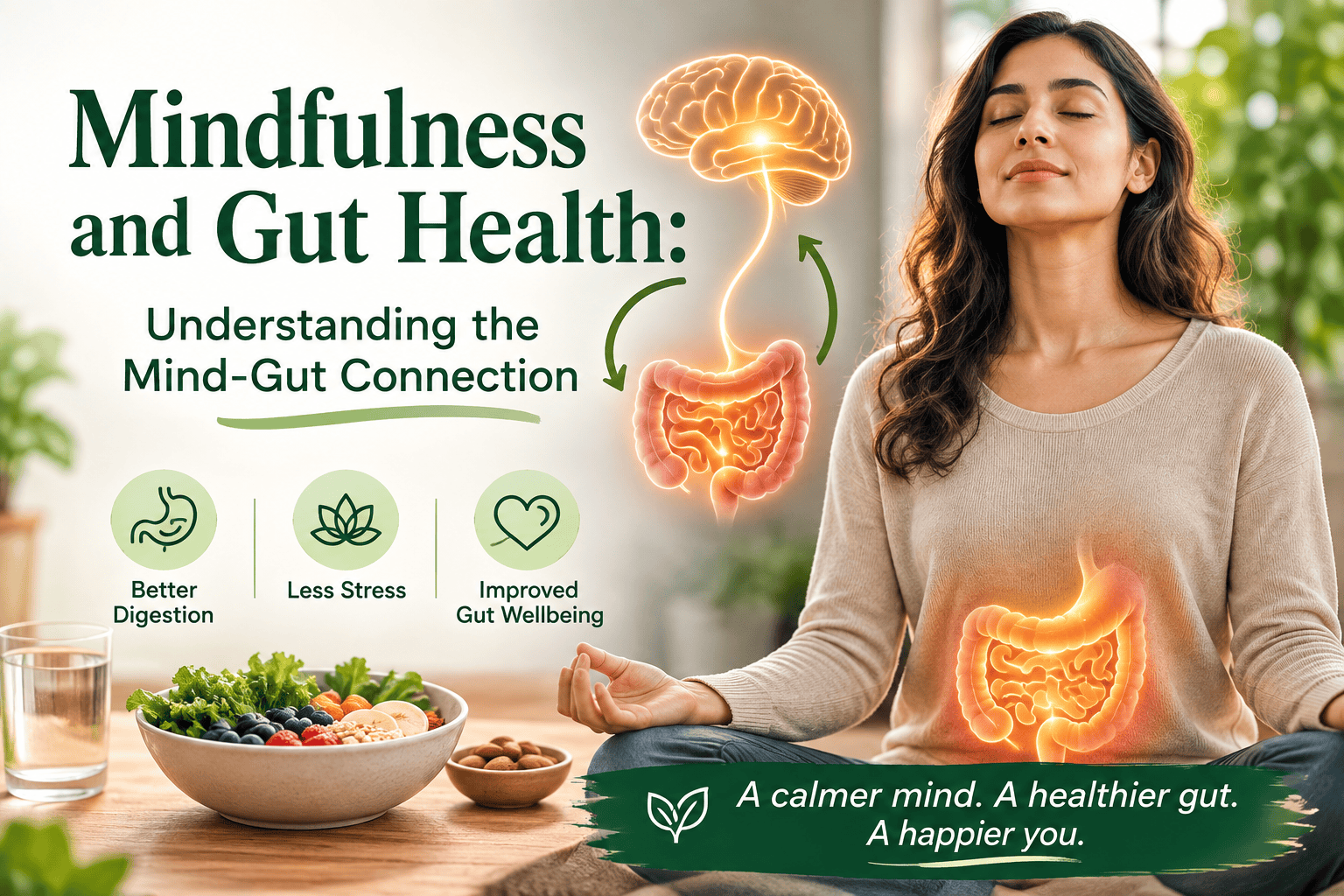
Mindfulness and Gut Health: Understanding the Mind-Gut Connection
Digestive symptoms can be frustrating, uncomfortable, and at times, overwhelming. Perhaps you struggle with bloating, abdominal discomfort, indigestion, changes in bowel habits, or a general feeling that your digestive system becomes worse during stressful periods. Many people notice patterns such as: If this sounds familiar, you are not imagining it. Researchers increasingly recognize that the…
-
Mindfulness for Chronic Pain: What Research Says and How to Practice Gently
Living with chronic pain can be exhausting. Pain is often invisible to others, yet it can shape nearly every part of life—sleep, work, relationships, movement, mood, and even one’s sense of identity. Many people with chronic pain describe feeling as though their body has become unpredictable or unsafe. Over time, the emotional burden of pain…
-
Compassion Practices: Using Mindfulness to Cultivate Kindness Toward Yourself and Others
Introduction Compassion is often described as recognizing suffering and responding with a genuine wish to relieve it. While many people find it easier to show compassion toward others, offering that same kindness to themselves can be much more difficult. Stress, trauma, perfectionism, criticism, and painful life experiences can lead people to believe that they must…
-
Shame and Healing: How Mindfulness Can Help You Reconnect with Self-Compassion
Introduction Shame is one of the most painful emotions a person can experience. Unlike guilt, which says, “I did something wrong,” shame often says, “There is something wrong with me.” This belief can influence how people see themselves, relate to others, and navigate everyday life. Shame may develop from childhood experiences, trauma, abuse, neglect, bullying,…
-
Childhood Trauma Recovery: How Mindfulness Can Support Healing
Introduction Childhood is a time when the brain, body, and emotional world are rapidly developing. When children experience abuse, neglect, emotional invalidation, violence, bullying, the loss of a caregiver, or other overwhelming experiences, these events can leave lasting effects that continue into adulthood. This is often referred to as childhood trauma or adverse childhood experiences…
-
Mindfulness and PTSD: A Trauma-Informed Approach to Healing
Introduction Post-Traumatic Stress Disorder (PTSD) is more than simply remembering a difficult event. It is a mental health condition that can develop after experiencing or witnessing trauma such as abuse, violence, accidents, natural disasters, military combat, or other life-threatening events. PTSD can affect emotions, thoughts, relationships, sleep, and physical health. Many people hear that mindfulness…
-
Somatic Awareness: Listening to the Body with Mindfulness
Introduction Our bodies constantly communicate with us. A racing heart may signal anxiety, tense shoulders may reflect stress, and a feeling of heaviness might accompany sadness or exhaustion. Yet many of us move through daily life without noticing these subtle signals until they become overwhelming. For people who have experienced trauma, chronic stress, or anxiety,…
-
Body-Based Mindfulness: Reconnecting with the Body After Trauma
Introduction For many people, mindfulness begins with paying attention to the breath or observing thoughts. However, for individuals who have experienced trauma, the body itself may feel unfamiliar, unsafe, or disconnected. Instead of feeling calm, focusing inward may bring up anxiety, numbness, tension, or distress. Body-based mindfulness offers a gentle alternative. Rather than trying to…
-
Emotional Flashbacks: Understanding Them Through Mindfulness
Introduction Some painful memories do not return as clear pictures or stories. Instead, they return as overwhelming emotions. A person may suddenly feel terrified, ashamed, abandoned, helpless, or deeply unsafe without understanding why. This experience is known as an emotional flashback. Unlike traditional flashbacks, emotional flashbacks often do not involve vivid visual memories. They are…
-
Healing Hypervigilance: Why Your Brain Constantly Scans for Danger and How to Gently Rebuild a Sense of Safety
Read This Before You Begin Do you find yourself constantly looking for what could go wrong? Perhaps you: If this sounds familiar, you are not alone. Many people who have experienced trauma, chronic stress, abuse, bullying, violence, or unpredictable environments develop hypervigilance—a state where the brain remains on high alert for possible danger. Hypervigilance is…
-
Self-Regulation Skills: Learning to Calm Your Mind and Body Without Ignoring Your Emotions
Read This Before You Begin Have you ever told yourself: If so, you’re not alone. Many people who have experienced trauma, chronic stress, anxiety, or difficult childhood experiences struggle with regulating their emotions. They may become overwhelmed very quickly or, at other times, shut down completely. This does not mean you are weak or lacking…
-
Grounding During Trauma: Gentle Ways to Return to the Present When You Feel Overwhelmed
Read This Before You Begin If you have experienced trauma, there may be moments when you suddenly feel frightened, disconnected, overwhelmed, or emotionally flooded—even when there is no immediate danger. Your heart may race. Your thoughts may spiral. You may feel as though you are reliving the past instead of living in the present. At…
-
Window of Tolerance: Why Some Days Everything Feels Too Much and Other Days You Feel Completely Numb
Read This Before You Begin Have you ever wondered why some days even a small inconvenience feels overwhelming, while on other days you feel emotionally numb or disconnected? Perhaps one day a minor disagreement leaves you anxious for hours. On another day, you receive upsetting news and feel… nothing. If this sounds familiar, you are…
-
Nervous System Healing: Understanding How Trauma Affects the Body and Why Feeling Safe Comes Before Feeling Calm
Read This Before You Begin If you’ve experienced trauma, you may have heard phrases like: These phrases are becoming increasingly common, but they can also be confusing. Some people even begin to believe that their nervous system is “broken.” It isn’t. Your nervous system is doing exactly what it evolved to do—protect you from danger.…
-
When Meditation Feels Unsafe: Understanding Why Mindfulness Can Sometimes Feel Overwhelming After Trauma
Read This Before You Begin Meditation is often described as a path to calm, peace, and emotional healing. You may have heard that “all you need to do is sit quietly and focus on your breath.” For many people, this advice is helpful. But for some people—especially those who have experienced trauma—it can have the…
-
Trauma-Informed Mindfulness: A Gentle Guide to Feeling Safe While Practicing Mindfulness
Read This Before You Begin If you have experienced trauma, you may have heard that mindfulness or meditation can help with healing. While this is true for many people, it is not true in the same way for everyone. For some trauma survivors, quietly sitting with their thoughts or closing their eyes during meditation can…
-
NEET Suicides Are Not Individual Failures—They Are a Collective Wake-Up Call
“An exam can shape a career. It should never determine whether a life feels worth living.” Another year, another headline. A 19-year-old NEET aspirant in Rajasthan recently died by suicide after reportedly feeling distressed about her examination performance. Behind every such news report is not merely a student but a child, a sibling, a friend,…
-
Mindfulness for Migraines: Can Meditation Help You Cope With Migraine Attacks?
Migraines are much more than “just headaches.” For many people, migraines can be physically painful, emotionally exhausting, and deeply disruptive to daily life. The throbbing pain, nausea, sensitivity to light and sound, brain fog, and unpredictability of attacks can make it difficult to work, socialize, or even carry out simple daily tasks. Living with migraines…
-
Mindfulness and IBS: Can Meditation Help You Cope With Digestive Symptoms?
Living with Irritable Bowel Syndrome (IBS) can be incredibly frustrating. One day, your symptoms may feel manageable. The next, you may find yourself dealing with abdominal pain, bloating, diarrhea, constipation, or an urgent need to find a bathroom. Many people with IBS also carry another burden that is less visible: worry. You may worry about…
-
Mindfulness for Weight Management: Can Mindfulness Change Your Relationship With Food?
Managing weight can be emotionally complicated. For many people, it is not simply about calories or willpower. It may involve years of dieting, feelings of frustration, emotional eating, body image concerns, medical conditions, stress, hormonal changes, or the exhausting cycle of losing and regaining weight. You may have found yourself thinking: If these questions feel…
-
Meditation and Diabetes: Can Mindfulness Support Emotional and Physical Wellbeing?
Living with diabetes can sometimes feel relentless. There are medications to remember, blood sugar readings to monitor, meals to plan, appointments to attend, and the constant awareness that diabetes requires ongoing attention. Many people describe feeling exhausted not only by the condition itself but also by the emotional burden that comes with it. You may…
-
Mindfulness for Emotional Eating: Learning to Respond to Emotions With Compassion
Have you ever reached for food even though you were not physically hungry? Perhaps after a stressful day, an argument, feelings of loneliness, boredom, or exhaustion, you found yourself craving something sweet, salty, or comforting. If so, you are not alone. Emotional eating is a very human experience. For many people, food becomes more than…
-
Mindfulness and Heart Health: Can Meditation Support Cardiovascular Wellbeing?
Heart health can feel deeply personal. Perhaps you have been diagnosed with high blood pressure, high cholesterol, heart disease, or another cardiovascular condition. Maybe you have experienced symptoms such as chest discomfort, palpitations, or shortness of breath. Or perhaps you simply want to take better care of your heart as you age. Whatever brings you…
-
Meditation and Inflammation: What Does the Research Actually Say?
Inflammation has become a common topic in health conversations. You may have heard that chronic inflammation is linked with conditions such as heart disease, diabetes, autoimmune disorders, depression, and certain chronic pain conditions. Perhaps a doctor mentioned inflammatory markers in your blood tests, or maybe you have been searching for ways to support your overall…
-
Mindfulness and Hair Loss Stress: Coping With the Emotional Impact of Hair Changes
Hair loss can be far more emotionally difficult than many people realize. For some people, it begins gradually. You may notice more hair in the shower, increased shedding while brushing, or a widening part line. For others, hair loss may occur more suddenly after periods of illness, significant stress, hormonal changes, or medical conditions. Whatever…
-
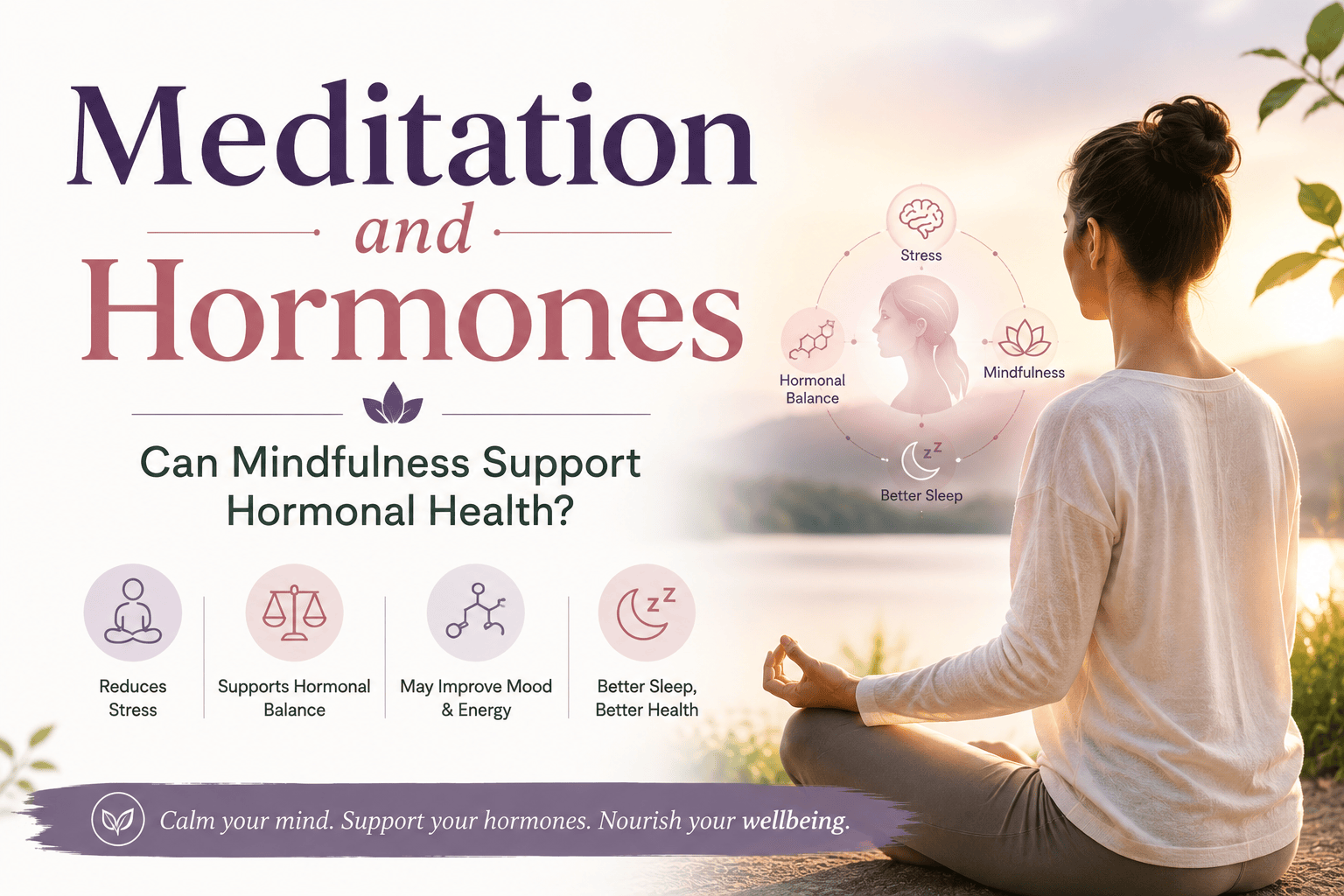
Meditation and Hormones: Can Mindfulness Support Hormonal Health?
Hormones influence nearly every aspect of our wellbeing. They affect energy levels, mood, sleep, appetite, metabolism, menstrual cycles, fertility, and even how we respond to stress. When hormones feel “out of balance,” many people notice symptoms such as: These experiences can be frustrating and, at times, emotionally overwhelming. You may find yourself wondering: These are…
-
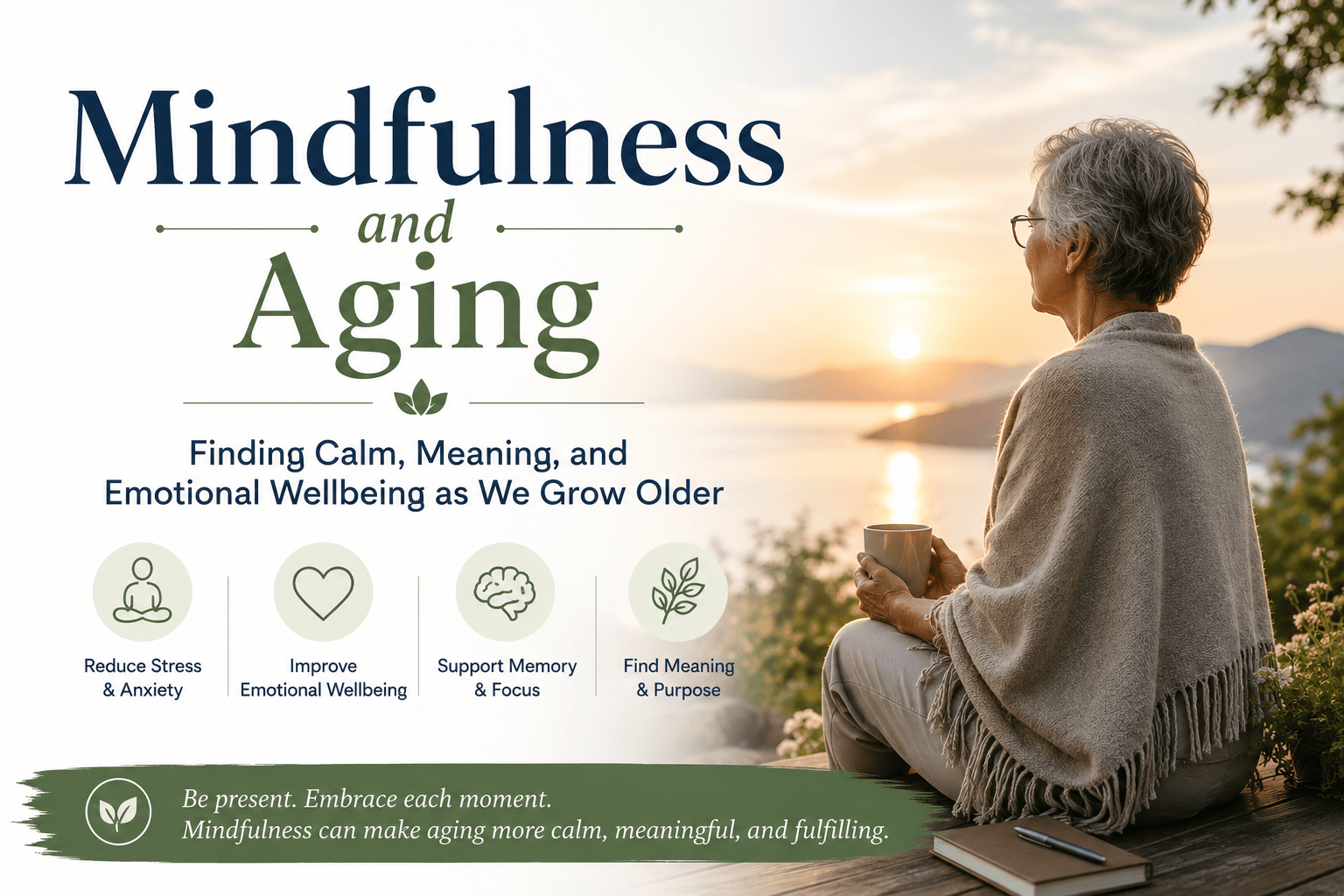
Mindfulness and Aging: Finding Calm, Meaning, and Emotional Wellbeing as We Grow Older
Aging is a natural part of life. Yet it can also bring changes that are sometimes difficult to navigate. You may notice changes in your energy levels, sleep patterns, memory, physical health, relationships, or daily routines. You may be adjusting to retirement, caring for loved ones, coping with chronic health conditions, or grieving losses that…
-
Mental Health After Failed NEET Attempts: When One Exam Feels Bigger Than Life
Every year, millions of students across India prepare for the National Eligibility cum Entrance Test (NEET) with the hope of securing a medical seat. For many families, becoming a doctor is not just a career aspiration—it is a dream built over years of sacrifice, coaching classes, financial investment, and expectations. When the results arrive, some…